Find Rotary Weight Adjustment Leg Extension for Gyms, Homes, Clinics
Explore 30 rotary weight adjustment leg extension options to compare steel construction, weight stack ranges, and dimensions. This guide helps buyers evaluate specifications for commercial and home fitness environments; compare the available evidence and request quotations based on your requirements.
Key considerations
Products List




Comprehensive Sourcing Guide
Rotary Weight Adjustment Leg Extension Sourcing Guide
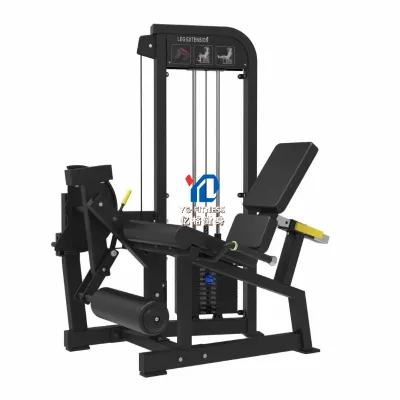
The rotary weight adjustment leg extension is a specialized piece of fitness equipment designed to isolate and strengthen the quadriceps through a controlled, seated extension motion. This machine typically features a weight stack mechanism that allows users to select resistance levels via a pin, offering a smooth and consistent load throughout the range of motion. In a commercial setting, such as a gymnasium or community center, these units are valued for their durability and ability to accommodate a wide range of user weights without requiring manual plate loading.
Procurement of this equipment requires careful attention to the specific mechanical design, as the rotary adjustment system must withstand repeated high-torque usage. Buyers should verify that the product is constructed from high-grade steel, such as Q235, to ensure structural integrity under heavy loads. The appliance is generally suitable for both home and professional gymnasium environments, provided the footprint and weight capacity align with the intended facility's space and user demographics.
Product Scope and Observed Listing Signals
Current market listings for rotary weight adjustment leg extensions indicate a diverse range of models, including specific identifiers like GC-5002 and GC-5055, which suggest variations in dimensions and weight capacities. The observed product attributes reveal that these machines are primarily designed for adult users and are often marketed as unisex equipment suitable for arm and leg exercises, though the specific focus here is on leg extension functionality. The weight stack capacity varies significantly across listings, with some units supporting stacks ranging from 80kg to 145kg, while others list total machine weights between 126kg and 210kg.
When evaluating product scope, buyers must note that customization is a standard offering, allowing for tailored branding and color options to match facility aesthetics. The delivery timelines observed in the market typically fall within 25 days after receiving the deposit, which is a critical factor for project planning. Furthermore, the packaging methods, such as plywood cases or cartons, are designed to protect the equipment during international shipping from origins like Shandong, China, ensuring that the steel components arrive without damage.
Technical Specifications to Verify
Technical verification begins with the physical dimensions and structural materials, as the standard specifications for these units often include precise measurements like 104010001550mm or 13009801550mm. Buyers should confirm that the steel tube dimensions, such as 50*100mm, meet the required load-bearing standards for the intended usage intensity. The grade of the equipment, often classified as commercial, dictates the longevity of the machine, and it is essential to ensure that the frame construction supports the maximum weight stack capacity without flexing or compromising safety.
The mechanical operation of the rotary adjustment system must be scrutinized for smoothness and precision, as this is the primary user interface for selecting resistance. The product model numbers, such as TZ-8107 or TJ-2411, often correlate with specific functional configurations, including the type of seat, backrest, and leg roller padding. It is vital to verify that the folding mechanism, if present, is robust and that the machine remains stable in its unfolded state during high-intensity leg extension exercises.
Compliance and Safety Documentation
Safety compliance is a non-negotiable aspect of sourcing fitness equipment, and buyers must request documentation confirming adherence to international standards such as CE, ISO, and RoHS. The observed product listings frequently cite certifications like CE, ISO9001, and SGS, which indicate that the manufacturing processes and final products have undergone rigorous quality and safety assessments. These certifications are particularly important for commercial installations where liability and user safety are paramount concerns for facility managers and insurance providers.
Beyond general certifications, specific safety documentation should include detailed assembly instructions and maintenance guidelines to ensure long-term operational safety. The presence of a customized logo and specific color options should not compromise the structural integrity or safety features of the machine. Buyers should verify that the product origin, typically from regions like Shandong Dezhou, aligns with the supplier's ability to provide valid, up-to-date certification documents that are recognized in the target export market.
Cost Drivers and Commercial Terms
The cost of rotary weight adjustment leg extensions is influenced by several factors, including the weight stack capacity, the grade of steel used, and the level of customization required. The observed price range in the market spans from 55 to 3957 USD, reflecting the vast differences between basic models and heavy-duty commercial units with advanced features. Buyers should understand that higher prices often correlate with better materials, such as commercial-grade steel, and more robust construction designed for high-traffic environments.
Commercial terms, including the minimum order quantity (MOQ) and lead times, play a significant role in the total cost of ownership. The MOQ can vary from 1 to 100 units, allowing flexibility for both small boutique gyms and large chain facilities. The delivery time of within 25 days after receiving the deposit is a standard expectation, but buyers should clarify any potential delays related to custom branding or specific packaging requirements. Understanding these terms helps in budgeting accurately and planning the installation schedule effectively.
Supplier Qualification and Quality Control
Supplier qualification requires a thorough review of the manufacturer's track record, specifically their experience in producing gymnasium-grade equipment. The brand "Tianzhan" is noted in the market data, indicating a specific manufacturer with established production capabilities in the region. Buyers should verify the supplier's ability to maintain consistent quality across batches, especially when ordering customized units with specific logos or color schemes. The port of loading, typically Tianjin, is a key logistical detail that affects shipping costs and transit times.
Quality control processes should be transparent and documented, ensuring that every unit meets the specified standards before shipment. The use of plywood packing or carton packaging is standard, but the internal protection measures must be sufficient to prevent damage during transit. Buyers should request evidence of pre-shipment inspections and confirm that the supplier adheres to the stated production standards, such as the 104010001550mm dimensions, to ensure the delivered product matches the ordered specifications exactly.
Long-Term Procurement Checks
Long-term procurement success depends on establishing a reliable supply chain that can support future expansion and maintenance needs. Buyers should consider the availability of spare parts and the supplier's willingness to provide technical support for the rotary weight adjustment mechanisms. The global export market reach of the suppliers suggests that they are accustomed to international logistics, but maintaining a relationship with a supplier who understands the specific requirements of the fitness industry is crucial for ongoing support.
Regular audits of the equipment's condition and performance are necessary to ensure that the investment continues to meet safety and operational standards. The ability to customize the product with a logo or specific colors can enhance brand identity, but the durability of these customizations must be verified over time. By focusing on suppliers with a proven track record in the commercial fitness sector, buyers can mitigate risks and ensure that their rotary weight adjustment leg extensions remain a reliable asset for years to come.
FAQs
What certifications do these leg extension machines have?
These machines typically hold CE and ISO certifications, ensuring compliance with international safety and quality standards. Some models also include RoHS compliance for environmental safety. Buyers should verify specific certificates like ISO9001 or SGS on product pages to confirm regulatory adherence for their target markets before placing orders.
Can I customize the logo and color of the equipment?
Yes, customization is available for both logos and colors. Buyers can request customized logos and choose from optional colors like black, silver, or specific brand colors. This service allows businesses to align the equipment appearance with their brand identity, making it suitable for private labeling or specific gym branding requirements.
What is the typical delivery time for these machines?
The standard delivery time is within 25 days after receiving the deposit. This timeline applies to most orders for rotary weight adjustment leg extension equipment. Buyers should account for shipping duration from the port of loading, such as Tianjin, when planning their inventory replenishment or new facility opening schedules.
What materials are used in the construction of these machines?
These machines are primarily constructed from high-grade steel, often using Q235 steel tubes for durability. The structural integrity is supported by specific tube sizes like 50*100mm. This robust material choice ensures the equipment can withstand heavy commercial use while maintaining stability during intense leg extension workouts in gym environments.
What are the packaging options for shipping these machines?
Packaging options include plywood packing, plywood cases, and cartons depending on the model. These methods protect the equipment during international transit from origins like China. Buyers should specify their preferred packaging to ensure safe delivery, especially for fragile components or when shipping to regions with strict import packaging regulations.
What is the weight range for the weight stacks?
Weight stacks can be customized within a range of 80 to 145kg. This flexibility allows buyers to select resistance levels suitable for different user demographics, from beginners to advanced athletes. The specific weight depends on the model, such as GC-5002 or GC-5055, and can be tailored to order specifications.